




Production OEM automotive wiring: the low end of the scale
Date:2026-09-12
On one end of the spectrum sits OEM automotive wiring — the loom inside a new passenger car or light truck. Cost is paramount; bumper-to-bumper warranties run to 100,000 miles; and a typical mid-size car now carries 45–70 lb of wiring. A modern vehicle uses up to sixty microprocessors, hundreds of connectors, and dozens of sensors, all validated over years of temperature, humidity, vibration, and electrical-noise testing.
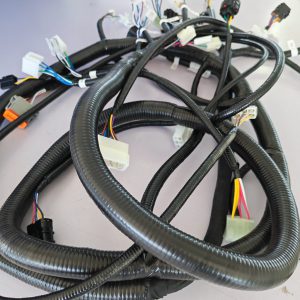
What is striking about OEM wiring is how much of it is not mil-spec. There are no metal-shell connectors, no airframe tie-wraps, no concentric twisting, and no epoxied connections. Just plastic connectors and cross-linked polyethylene (GXL/TXL) multi-strand copper wire, typically without silver, tin, or nickel plating. And it works — for years, in punishing environments, with no failures inside the cabin. RB Racing’s scrap-out of a 20-year-old Honda Civic Wagon showed “all the wiring was still in perfect shape… connector seals were still sealed and clean inside.” That is a real engineering achievement, even if it does not look glamorous.
New Product
-
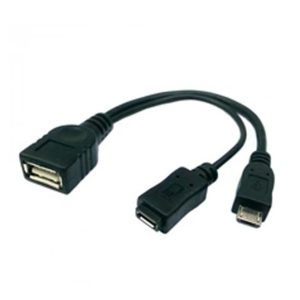 Custom Y splitter OTG USB cable with competitive factory price
-
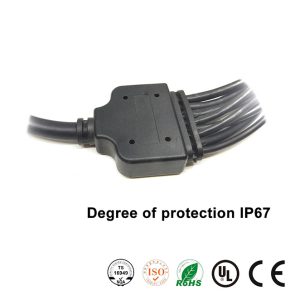 custom waterproof IP67 1 to 5 over-molded Y connector wire cable splitter
-
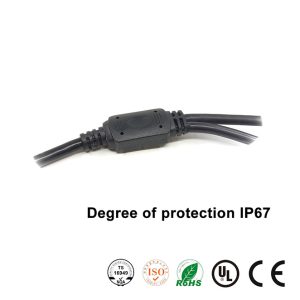 custom waterproof IP67 1 to 2 over-molded Y connector wire cable splitter
-
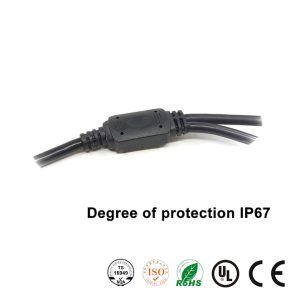 custom waterproof IP67 1 to 3 over-molded Y connector wire cable splitter
-
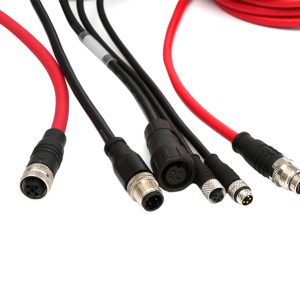 M8, M12, M16, M20 circle connector cable assembly
-
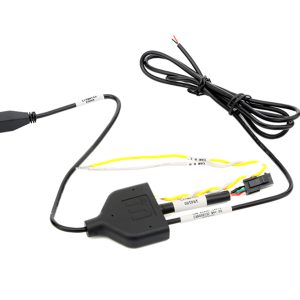 Driverless: 8Pin housing to 4pin connector and 2 free ends with strain relief clamp
-
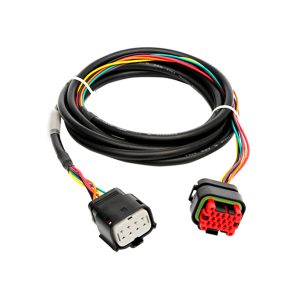 Automotive: 8Pin female to 14Pin female cable assembly
-
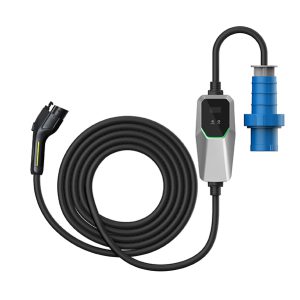 Automotive charging extend cable assembly with 7KW/32A