















-

Why every additional gram and every extra connector matters
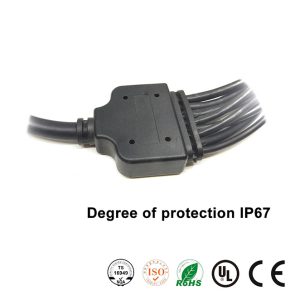
Everything that can slow a race car down is the enemy: the weight of the wires, the weight of the connectors, outright failure, and — the worst kind — intermittent failure that is harder to isolate. This is why Formula 1 may use 30 AWG wire where an OEM would use 18 AWG, and why the McLaren MP4-12C went to the extreme of specifying hexagonal aluminium wire to save both space and weight.
Learn more > 2026-09-12 -

Motorsport wiring: between OEM and aerospace
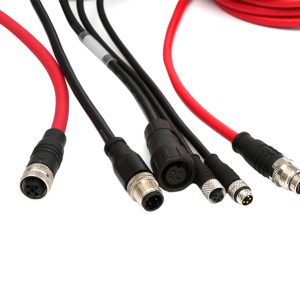
Motorsport sits between those two extremes. The vocabulary has evolved from aircraft and military specifications, where weight and reliability are paramount. As motorsport became a more sophisticated and expensive professional endeavour, dedicated motorsport connectors appeared — products that are even lighter and smaller than their aerospace counterparts, because they do not have to meet OEM production testing requirements. They only have to be reliable in a racing environment, which is “not the same as freezing in Siberia or bouncing down rural roads in your F150 pickup for decades.”
Learn more > 2026-09-12 -

Aerospace: the other end of the scale
At the opposite extreme sits aerospace. The Airbus A380, for example, has 530 km of wire, more than 100,000 individual wires, and 40,300 connectors performing 1,150 separate functions. It is, in Airbus’s own words, the most complex electrical system the company had ever designed at the time of launch — and they had to rip it all out and start over once because software-incompatibility issues between suppliers made the original design un-buildable.
Learn more > 2026-09-12 -
Production OEM automotive wiring: the low end of the scale
On one end of the spectrum sits OEM automotive wiring — the loom inside a new passenger car or light truck. Cost is paramount; bumper-to-bumper warranties run to 100,000 miles; and a typical mid-size car now carries 45–70 lb of wiring. A modern vehicle uses up to sixty microprocessors, hundreds of connectors, and dozens of sensors, all validated over years of temperature, humidity, vibration, and electrical-noise testing.
Learn more > 2026-09-12 -
The starting point: getting electrons from A to B
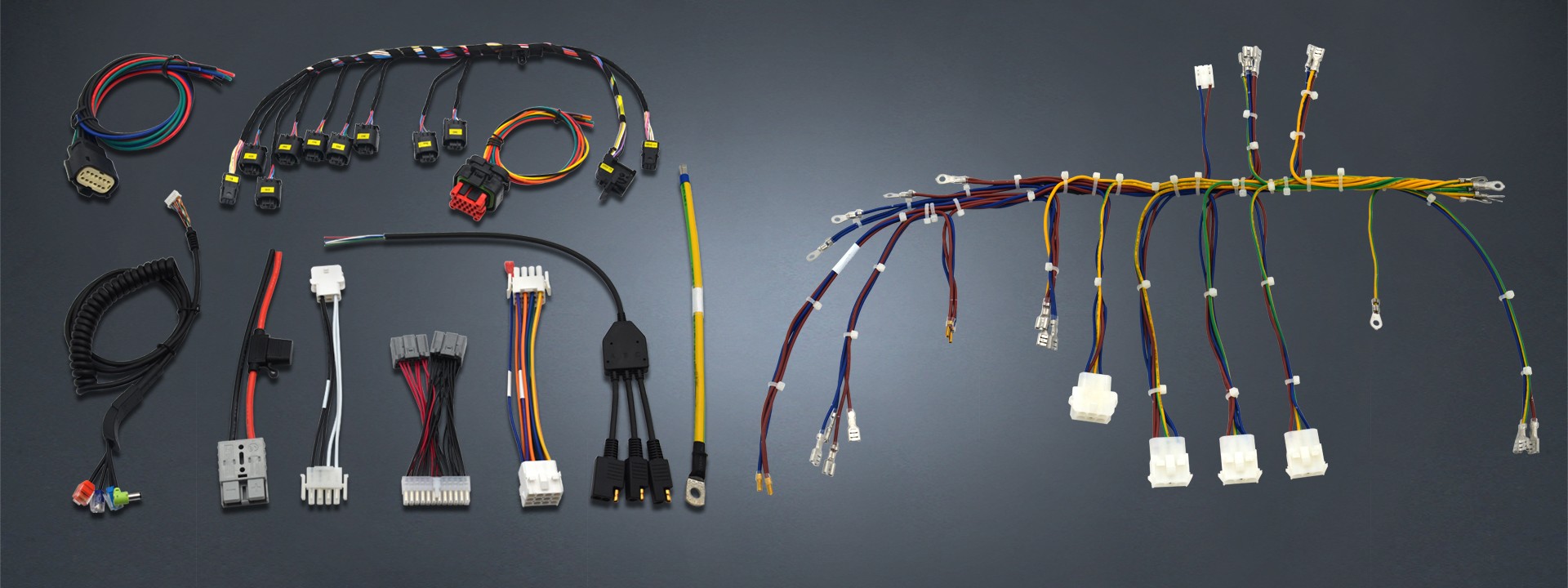
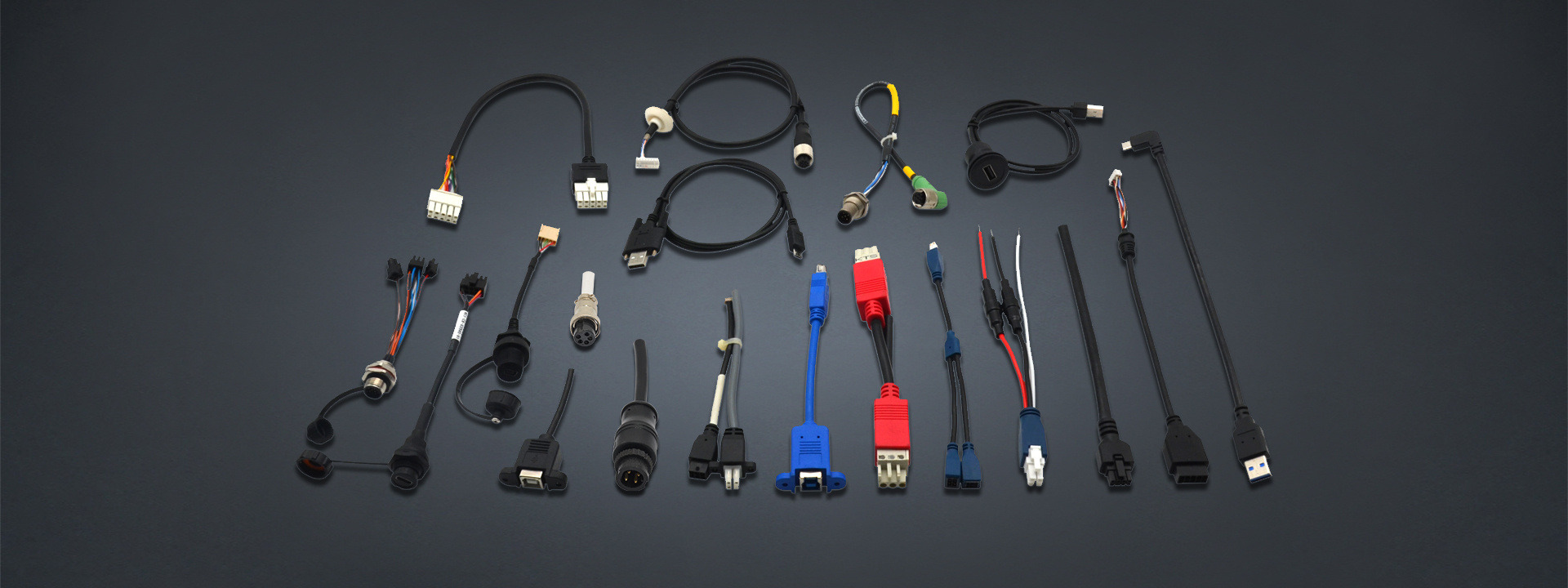
“Getting electrical signals from point A to point B is a pretty standard thing… Put a piece of copper wire between A and B and the job is done.” That opening line from RB Racing’s original article is deliberately understated. A century of development has produced an entire sub-industry of specialised wiring, connector, and protection products; “Mil-Spec” or military specification has become the default vocabulary in motorsport harness construction, even though motorsport wiring has developed its own specialist connectors and is still largely built from aerospace components.
Learn more > 2026-09-12